Planning by traveler
Aruba for Solo Travelers
Aruba is one of the safest islands in the Caribbean and genuinely solo-friendly — you won't feel out of place eating alone or booking group tours. Palm Beach puts you in walking distance of restaurants, bars, and beach clubs where solo travelers blend in easily. Eagle Beach is quieter and prettier but requires more planning to avoid feeling isolated. The island's compact size, English fluency, and reliable transit make logistics straightforward even if you've never traveled solo before.
Where to base yourself
The areas that fit.
Palm Beach
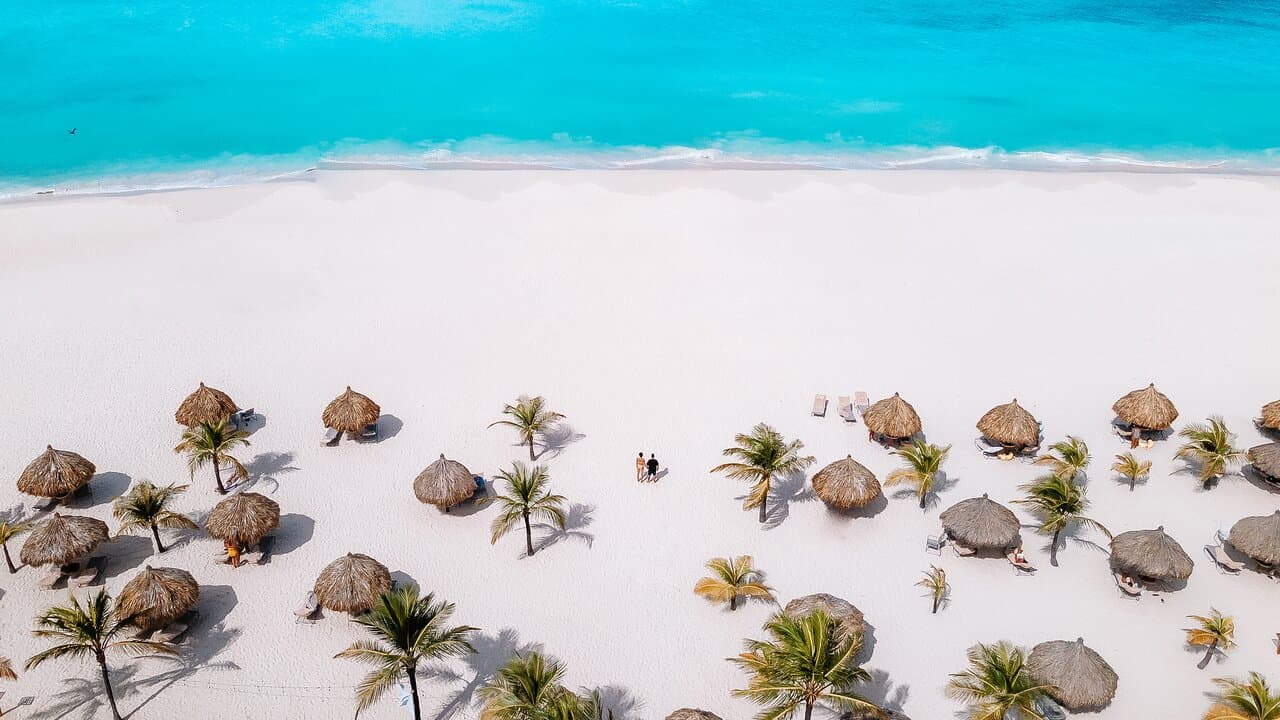
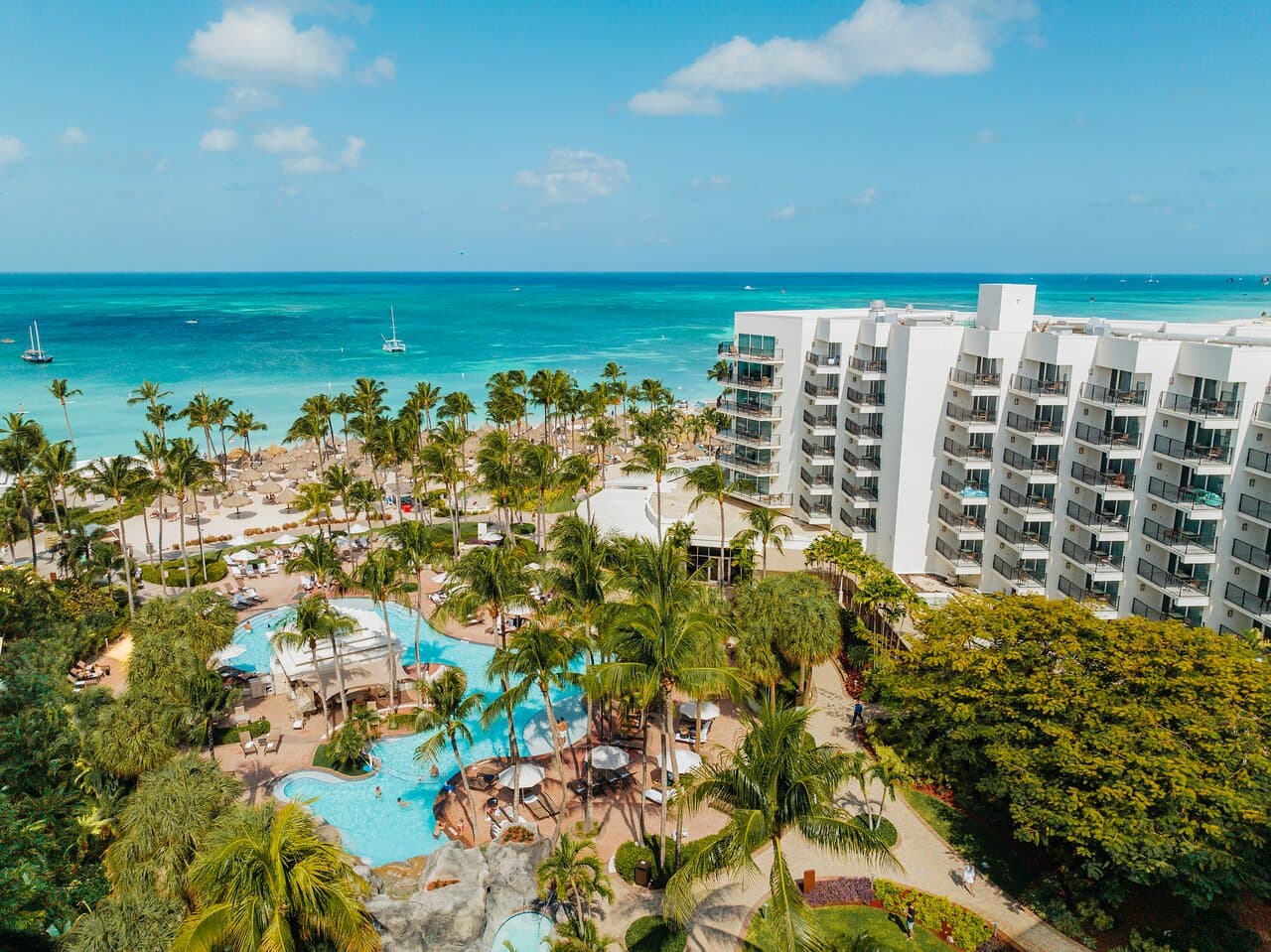
The high-rise strip means walkable restaurants, beach bars with counter seating, and group tours that pick up right outside your hotel. You're never the only solo traveler at dinner, and the energy feels social without being spring-break rowdy. It's also the base for most catamaran cruises and island tours, which are perfect for solos who want built-in company without forced interaction.
Eagle Beach
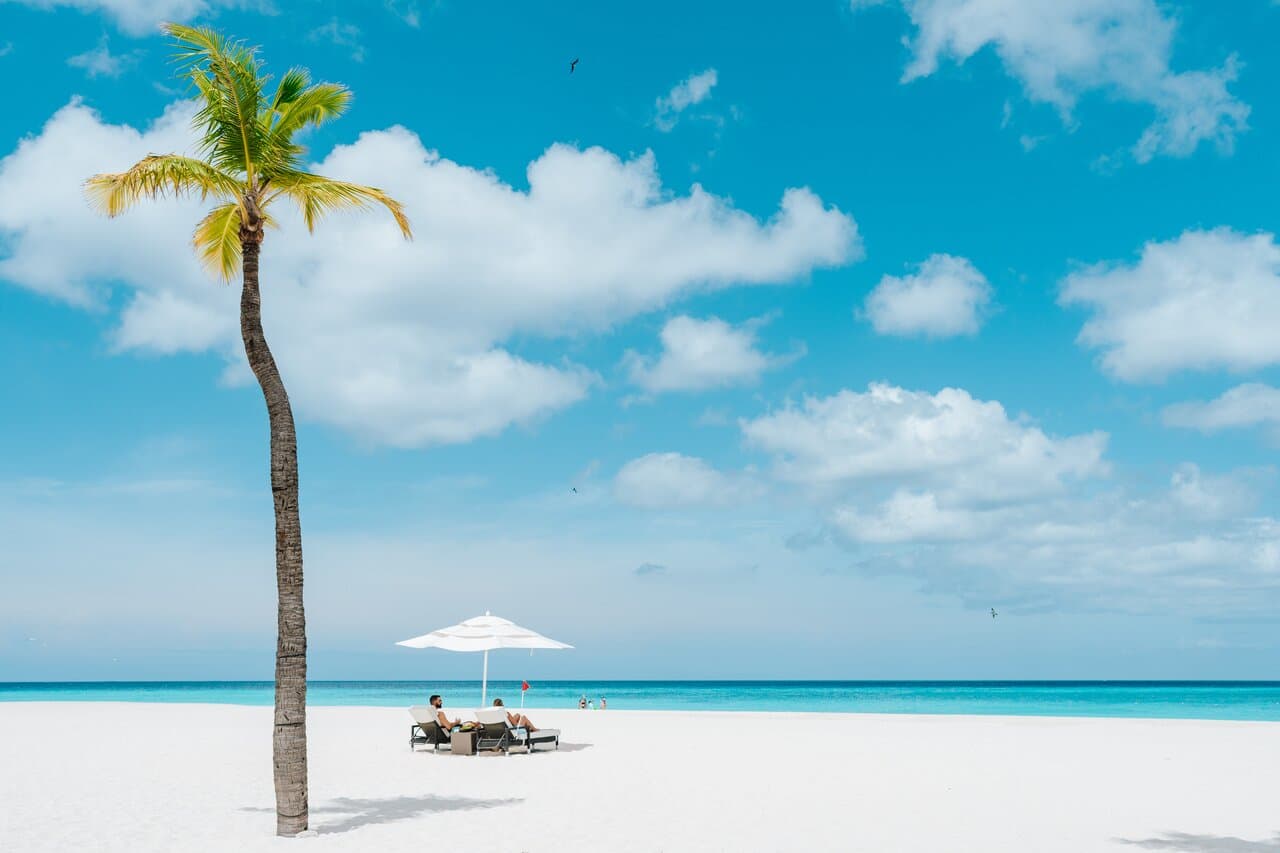
Wider sand, fewer crowds, and the prettiest water on the island — but you'll want a resort with strong on-site dining or be prepared to Uber for meals. It's better for solos who prioritize beach time over nightlife and don't mind quiet evenings. Manchebo and Bucuti are both solo-friendly and walkable to a handful of dinner spots.
Oranjestad
The Renaissance downtown is the only hotel in the capital, and it gives you walking access to harbor restaurants, cruise-port energy, and Renaissance Island's flamingos. It's a good fit if you want urban variety over beach-chair repetition, but the sand here isn't great — you'll need to boat or drive to the better beaches.
Where to stay
Stays that get this trip.
The sand
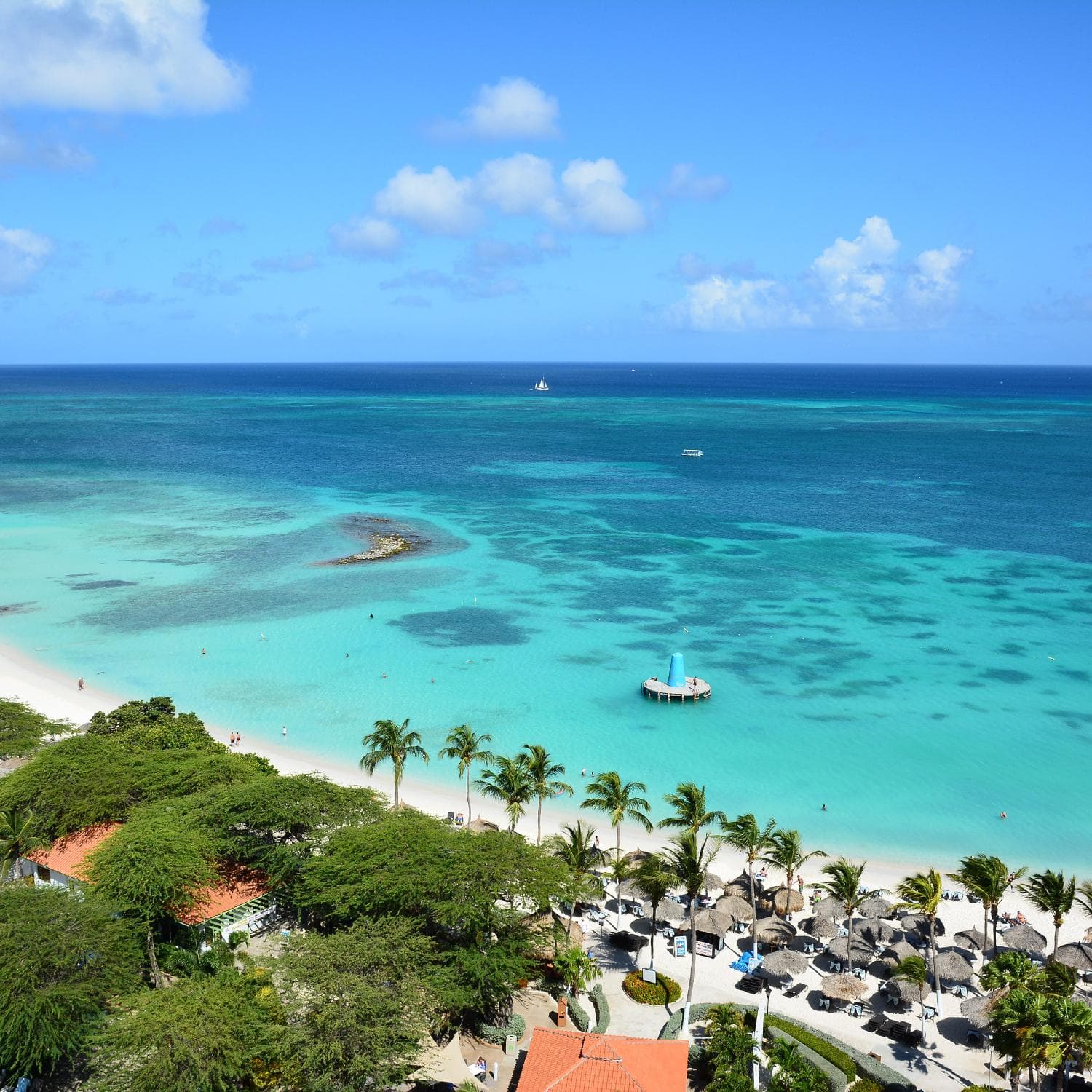
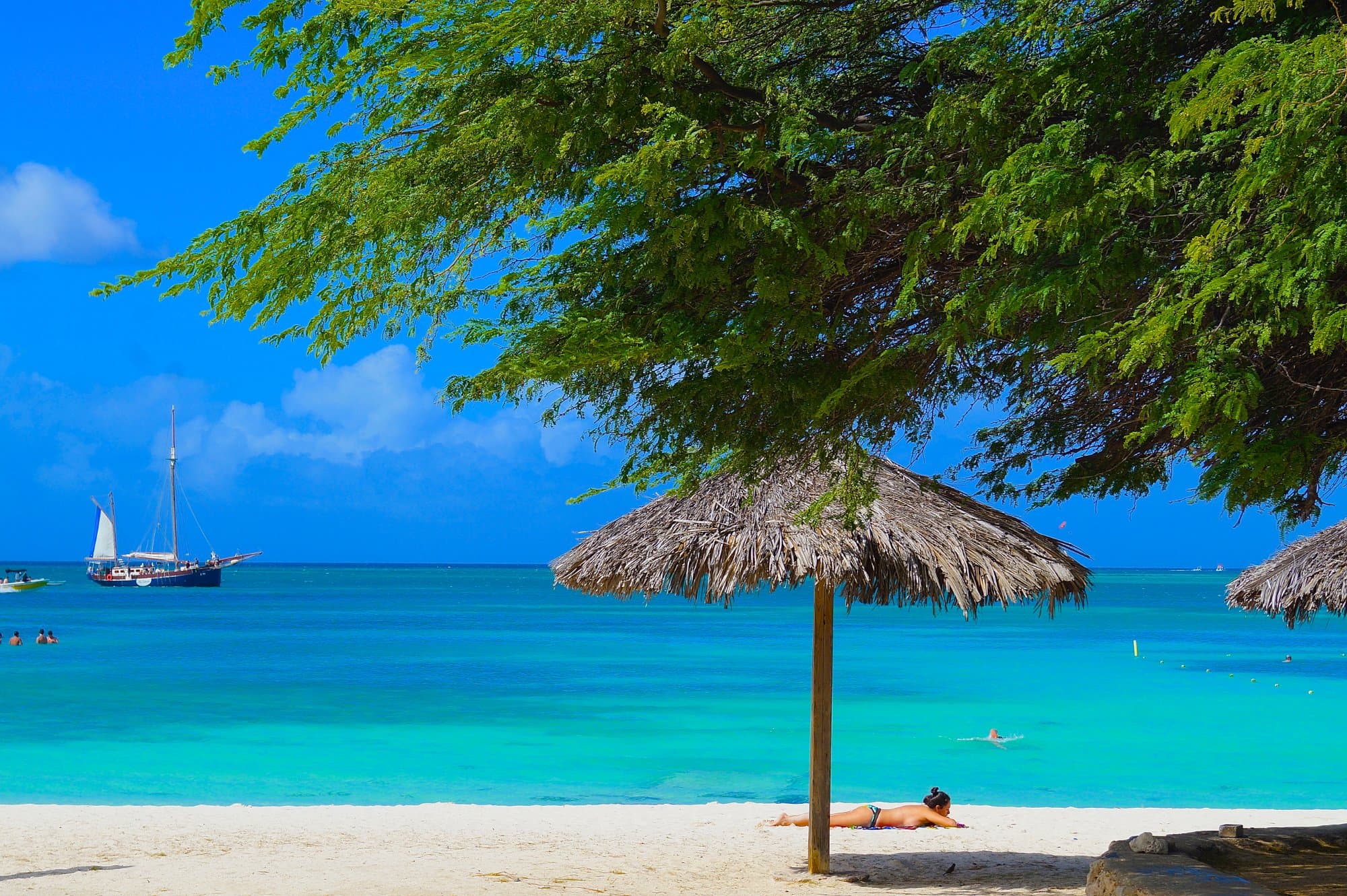
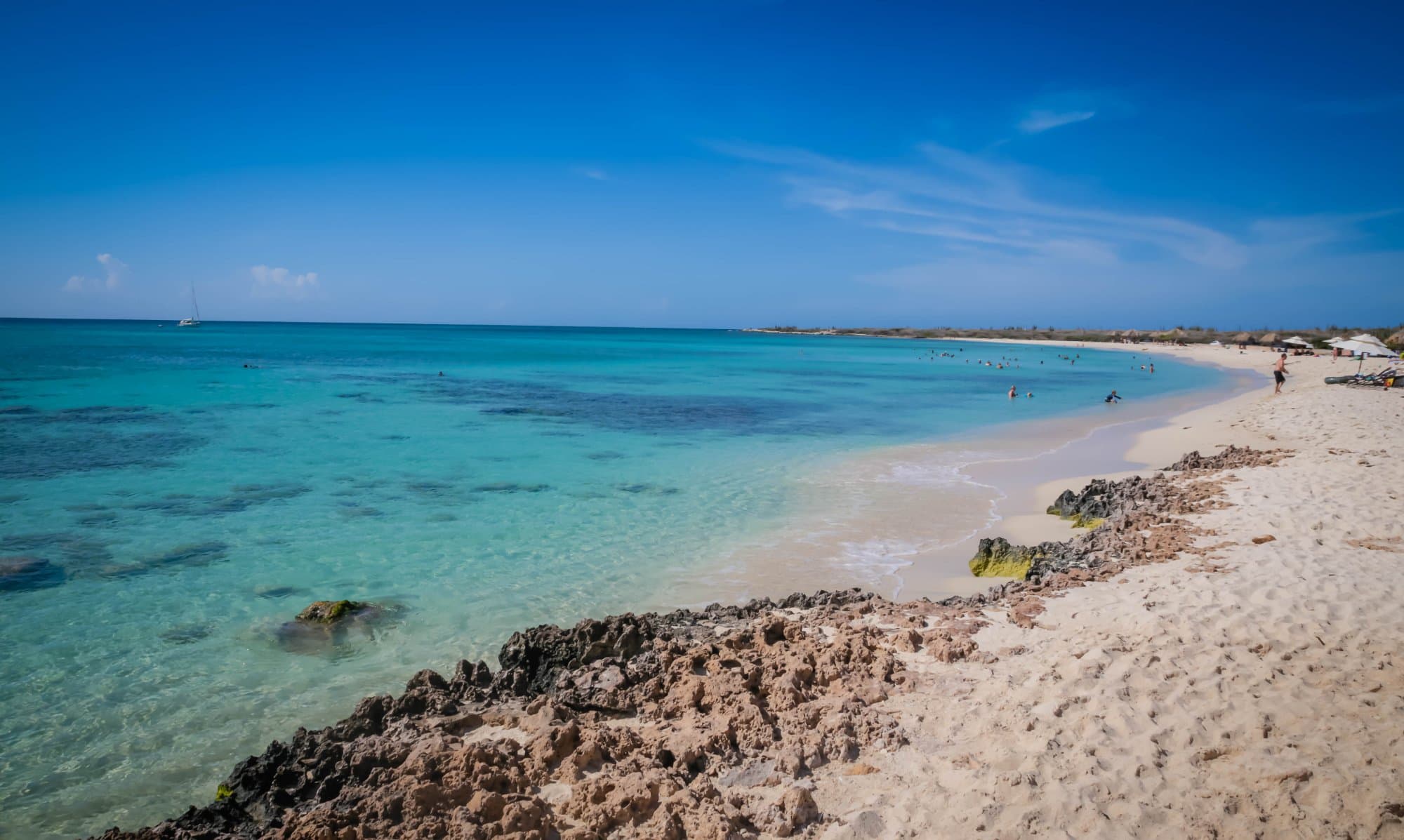
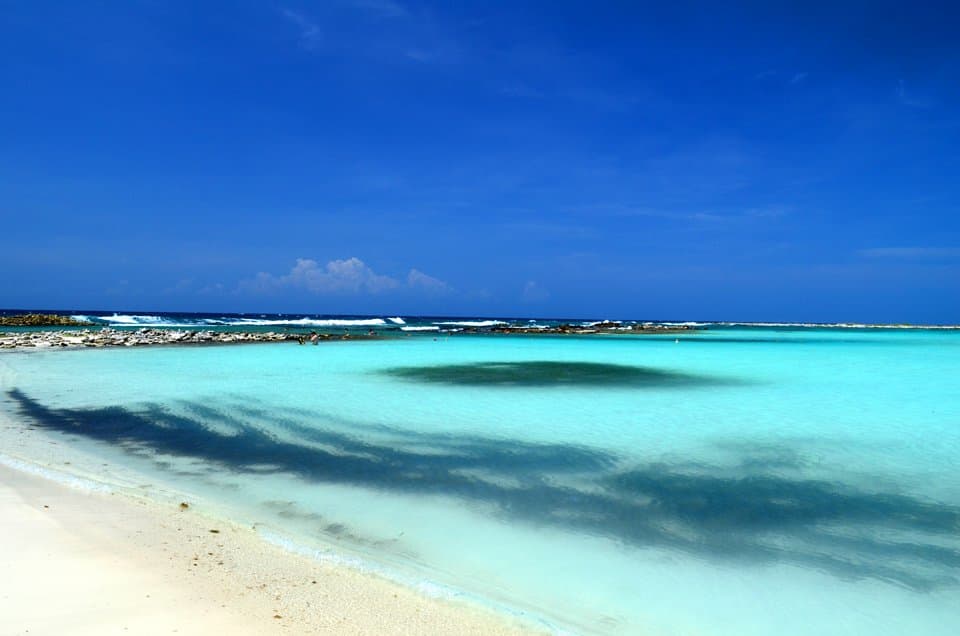
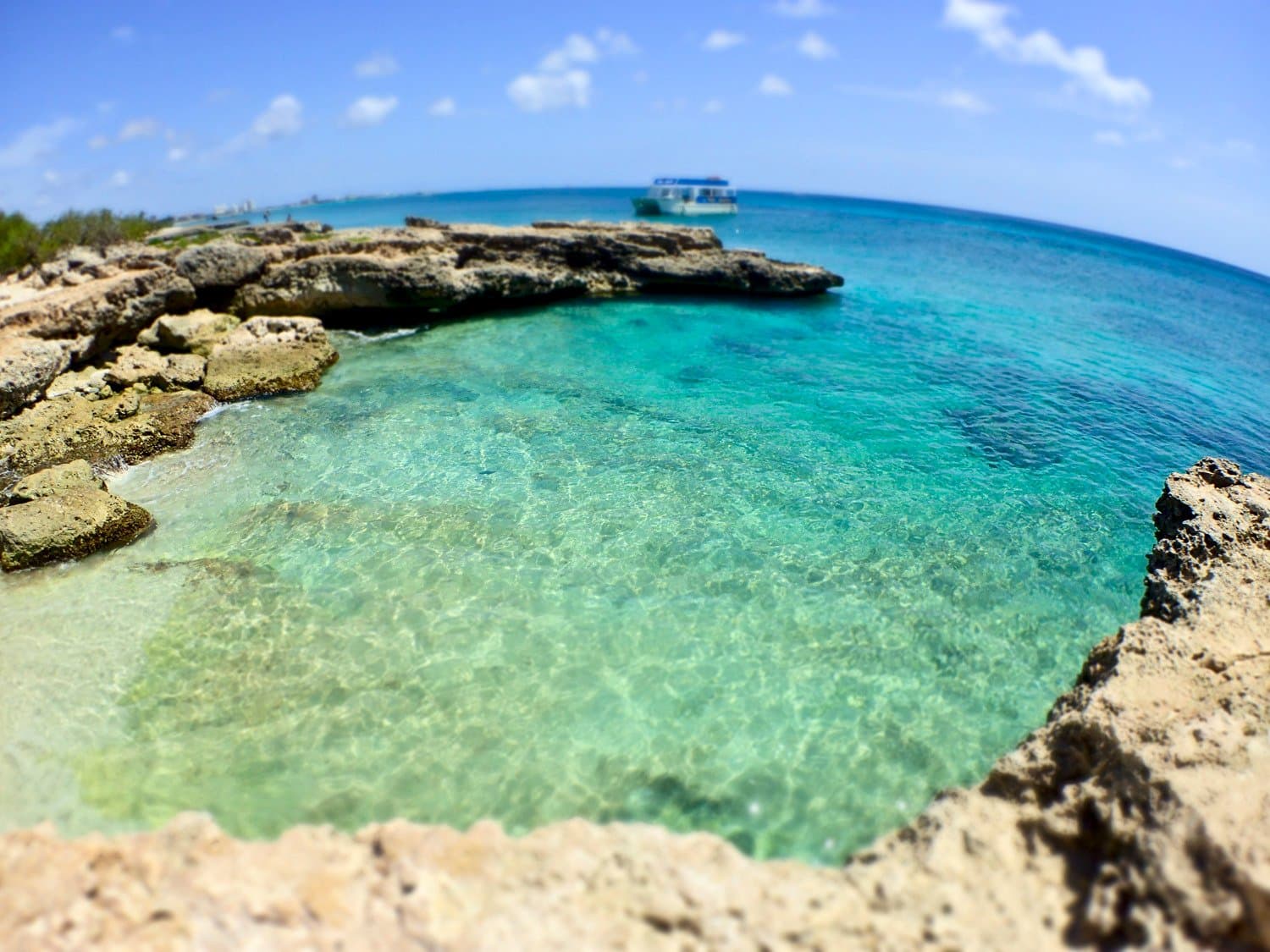
Beaches worth your hours.
Fill the days
Experiences that fit this trip.
Boat Trips & Catamaran Cruises
Sunset sails, party boats, private charters — picking the right ride.
Compare the ways →Snorkeling in Aruba
The best ways to get in the water with a mask — boat, shore, or guided.
Compare the ways →Island Sightseeing Tours
See the whole island in a day — bus, private guide, trike, or on foot downtown.
Compare the ways →Animal Encounters
Butterflies, donkeys, ostriches and flamingos — the island's gentlest day out.
Compare the ways →Landmarks & Culture
Alto Vista, the Natural Bridge, gold-mill ruins and Oranjestad — Aruba beyond the beach.
Compare the ways →Private Island Day Trips
Renaissance Island's flamingos or De Palm Island's all-inclusive — a day off the mainland.
Compare the ways →Honestly, skip it
Not for this trip.
All-inclusive resorts with couples-focused packages
Most all-inclusives in Aruba price by double occupancy and lean heavily toward honeymooners and anniversary trips. You'll pay a single supplement or feel awkward at romantic sunset dinners. Barceló and Tamarijn work fine if you're truly there to park yourself, but you lose the social flexibility that makes solo travel work.
Remote stays that require a rental car
Aruba's bus system is cheap and reliable along the hotel strips, and taxis or Ubers are easy for longer trips. Staying somewhere like Druif Beach or Savaneta without a car means you're stuck unless you want to budget $40–$60 per day in rides. The walkability of Palm Beach is worth more than marginally cheaper lodging.
Private island tours or charters marketed as 'romantic escapes'
Renaissance Island is fine because it's open to day guests and feels communal. But private boat charters or secluded beach picnics are priced and packaged for couples — you'll overpay and feel like the odd one out. Stick to group catamarans or shared snorkel trips where solo is normal.
Dinner reservations at formal waterfront spots like The Flying Fishbone
Tables in the water sound magical until you're the only solo diner surrounded by proposal-ready couples. The food's excellent, but the vibe is peak romance. You'll have a better meal and better time at Zeerovers or The West Deck, where solo diners are common and the setup doesn't feel performative.
The money part
Aruba is not a budget island — expect European-level prices for meals, tours, and lodging. Solo travelers get hit hardest on accommodations since most resorts charge near-full double rates even for single occupancy. Palm Beach mid-range hotels run $200–$350 per night in high season, and you'll still pay single supplements at many all-inclusives. Meals are $15–$25 for casual lunch, $35–$60 for sit-down dinner with drinks. The money saver is group tours — catamarans, island loops, and snorkel trips run $50–$120 and include transport, gear, and often food. Skip rental cars unless you're doing serious rugged-coast exploring; taxis and buses are cheaper and you won't deal with parking or navigation stress.
Before you book
- Book group catamaran cruises and island tours in advance — they fill up fast in high season and give you built-in social time without forced small talk. Jolly Pirates and Pelican Adventures both run trips where solo travelers are common.
- Stay on Palm Beach if you want walkable nightlife and easy access to restaurants with bar seating. Eagle Beach is prettier but requires more planning for solo dinners — Manchebo and Bucuti both have strong on-site dining if you don't want to Uber every night.
- Renaissance Island's flamingos are only free if you stay at the Renaissance downtown. Day passes run $125–$150 and sell out weeks ahead in peak season. If you're staying elsewhere, skip it or book the second your dates are firm.
- Aruba's trade winds are relentless — even in summer, the constant breeze makes 88 degrees feel manageable, but it also means your beach setup blows away if you don't anchor it. Bring reef-safe sunscreen; the sun here is stronger than you think and cloud cover is rare.
- Dinner reservations are necessary at upscale spots like Passions and Madame Janette, especially in high season. For solo-friendly casual meals, hit Zeerovers in Savaneta for fried fish by the pound or Dushi Bagels for counter seating and zero pretension.
- Tipping is expected at U.S. rates — 15–20% on meals, $2–$5 per ride for taxis, $10–$20 per day for tour guides. Service charges are sometimes included on bills, so double-check before adding more.
- If you're nervous about solo travel, Aruba is one of the easiest places to start — English is widely spoken, violent crime is rare, and the island is small enough that getting lost is hard. That said, avoid walking alone late at night outside the hotel zones, and keep valuables out of sight on the beach.
Make it yours.
Fifteen short questions and we'll build this trip around your dates, your budget, and your group.
Build my plan →