One Happy Aruba
Plan your perfect trip

Things to do 3 ways to do it

Animal Encounters

Aruba's animal encounters are surprisingly low-key and hands-on—rescued donkeys that wander up for scratches, ostriches you can feed by hand, butterflies that land on your shoulders. Most sit inland, away from the beach crowds, and they're genuinely relaxed: no circus tricks, no forced photo ops, just curious creatures and the people who care for them.

Pick your way

The ways to do it — honestly compared.

Way 1

Free-roaming rescue centers

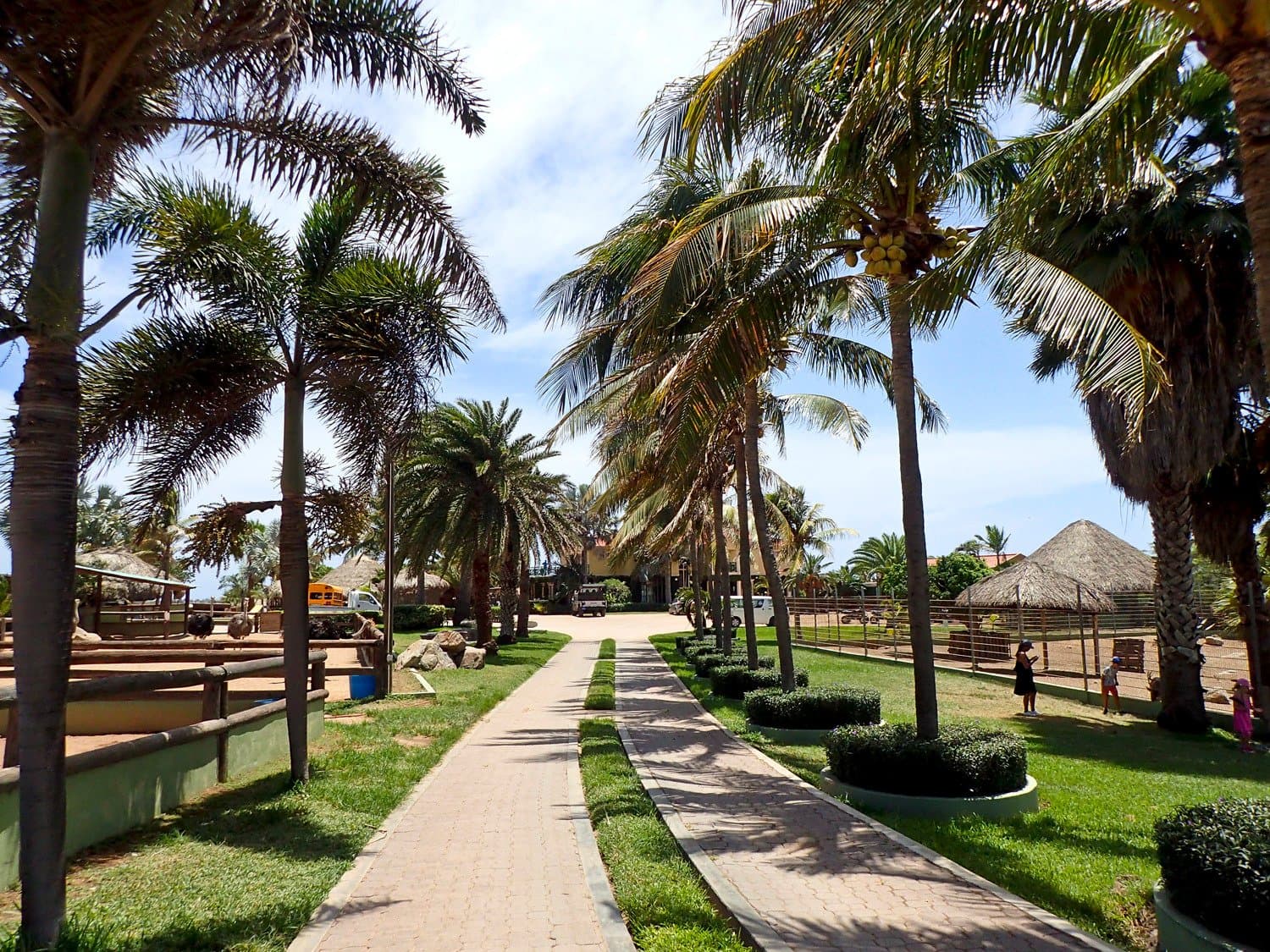
Walk among animals that have been rescued or retired and now live in open enclosures where they approach you at their own pace. The donkey sanctuary is donation-based; Philip's charges a small fee but lets you get closer to a wider variety of species than almost anywhere else on the island.

Why you'll love it

  • Minimal cost (free to $15)
  • Animals initiate contact, so interactions feel natural
  • You're supporting active rescue work
  • Kids can move at their own speed

Worth knowing

  • Inland locations require a rental car
  • Shade is limited in the middle of the day
  • No structured tour—you figure it out yourself

Best for: Families who want unhurried time with animals and don't need narration

Typical price: $0–15 per person
Way 2

Guided specialty encounters

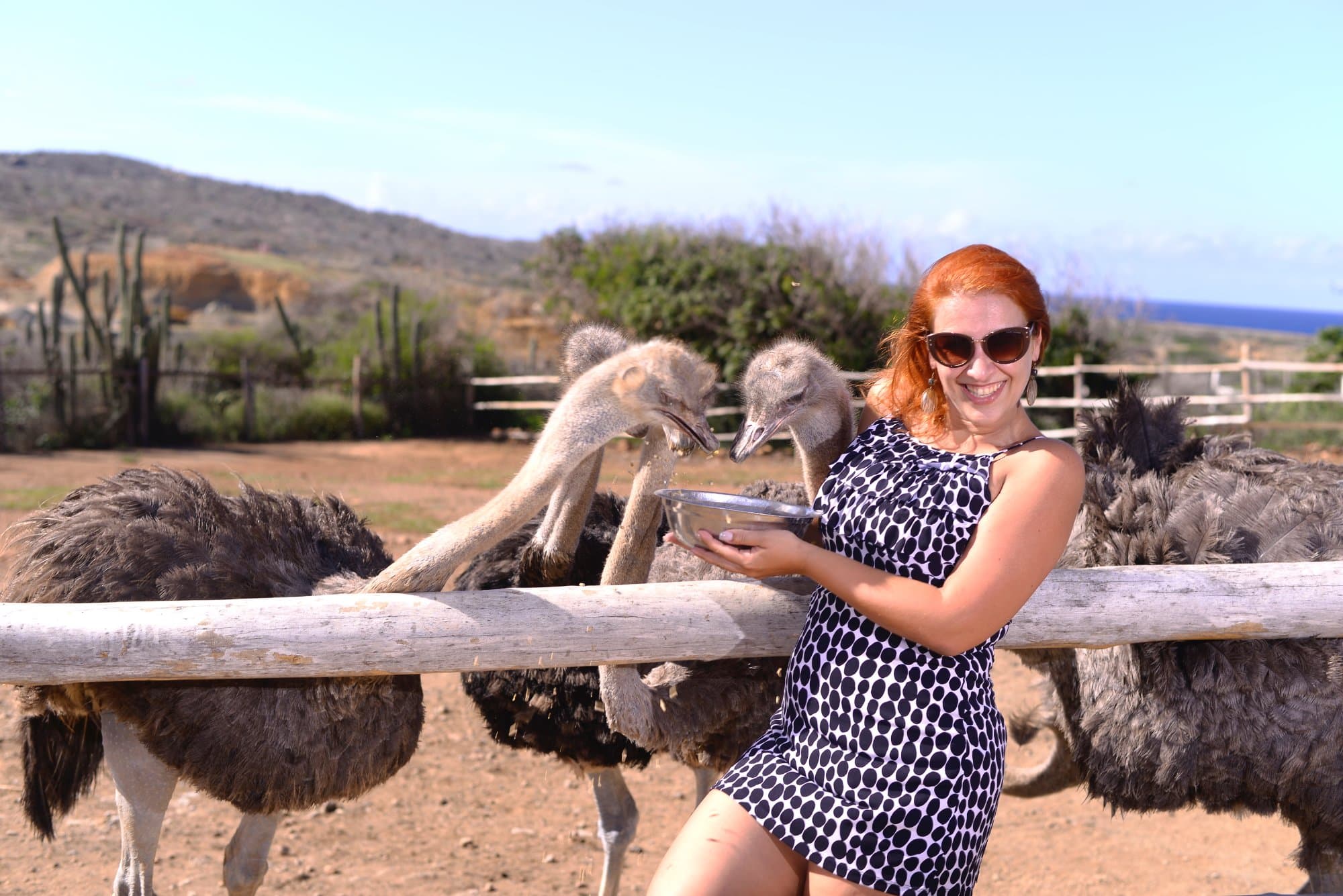
Book a structured tour focused on one type of animal or ecosystem. The ostrich farm walks you through the breeding cycle and lets you feed 300-pound birds; the birdwatching tours take you into the Bubali wetlands with someone who knows every resident and migratory species.

Why you'll love it

  • Expert context you won't get reading a sign
  • Hands-on feeding or close observation
  • Short commitment (1–3 hours)

Worth knowing

  • More expensive ($40–75)
  • Fixed schedules—less spontaneous
  • Single-species focus may feel limiting

Best for: People who want to learn specifics and don't mind paying for a guide

Typical price: $40–75 per person

Way 3

Climate-controlled butterfly immersion

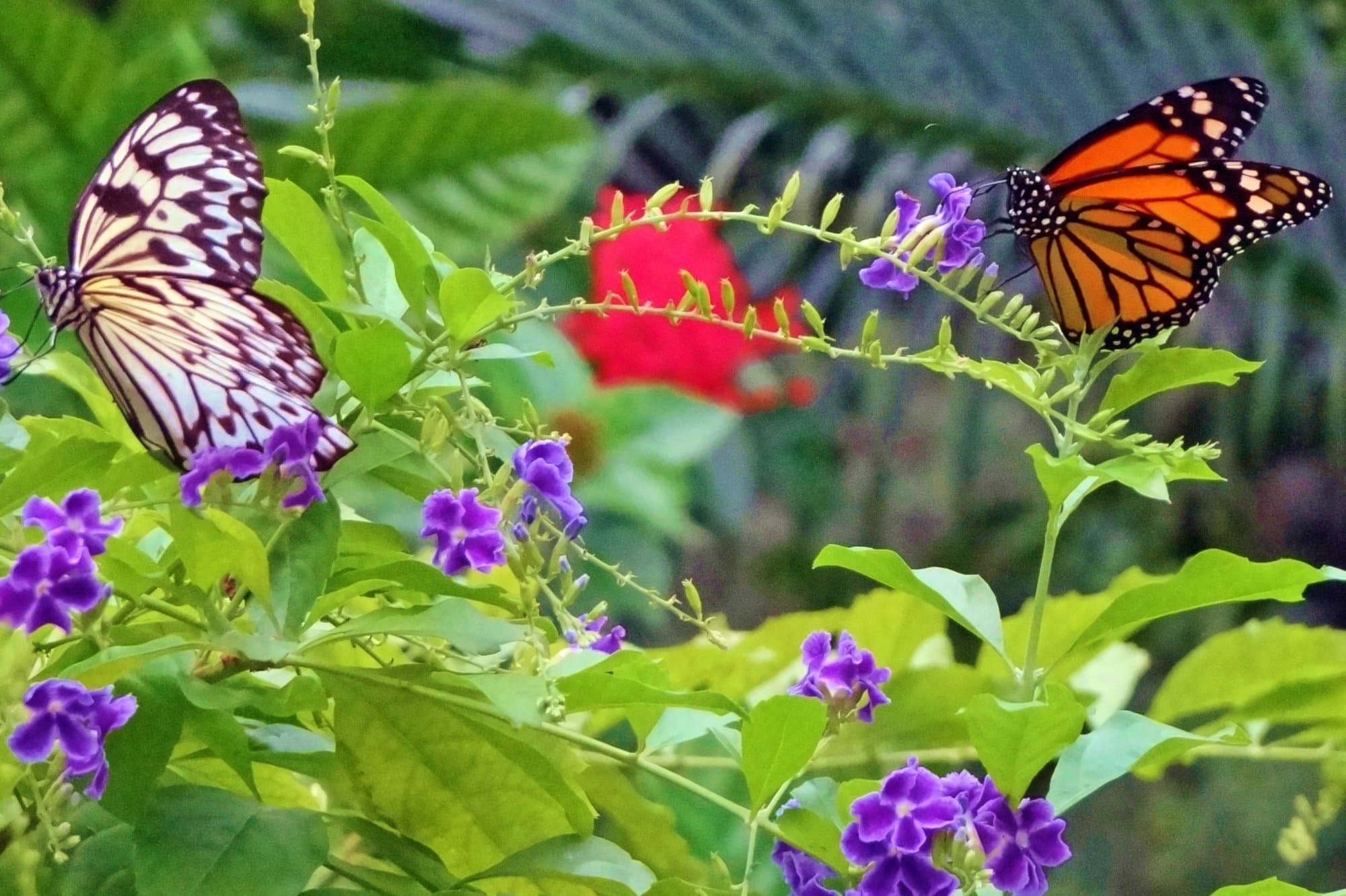
Step into a shaded mesh enclosure near Palm Beach where hundreds of tropical butterflies from Central and South America fly freely. You'll see the full life cycle—caterpillars, chrysalises, fresh-hatched wings—and they land on you constantly if you stand still.

Why you'll love it

  • Escape the heat for 30–45 minutes
  • Close to the hotel strip
  • Legitimately mesmerizing for young kids
  • Return visits are free with your ticket

Worth knowing

  • Small space gets crowded mid-morning
  • It's over quickly if you rush

Best for: Resort-based families looking for a short, air-conditioned break that still feels special

Typical price: $15 per person

Before you go

  • The donkey sanctuary is free, but they survive on donations—bring cash or use their card reader at the entrance.
  • Morning visits (8–10 a.m.) are cooler and the animals are more active; by noon the inland sites are brutally hot with minimal shade.
  • The butterfly farm ticket is good for return visits during your stay—go early in your trip, then come back on a beach-break day.
  • Philip's Animal Garden and the ostrich farm both close earlier than you'd expect (often by 4 p.m.)—call ahead or check hours before driving out.
  • Birdwatching tours run at dawn for a reason: that's when the wetlands are most active, and the light is better for spotting species.
  • None of these places are walkable from the resorts—rent a car or budget for a taxi round-trip.

The operators

Who does it best.

Browse all Animal Encounters tours →
lots of butterfliesIndoorFrom $15© chattygirl7491 via TripAdvisor

The Butterfly Farm

The Butterfly Farm sits just off the main Palm Beach hotel strip, a climate-controlled mesh enclosure where hundreds of tropical butterflies from Central and South America move through their full life cycle. It's ranked #3 among Oranjestad activities and has back-to-back Travelers' Choice awards, which makes sense once you're inside — the guides walk you through metamorphosis in real time, pointing out pupae about to hatch and explaining which species migrate thousands of miles in the wild. The space is small enough to cover in 30 minutes, but most people stay longer. Butterflies land on you if you wear bright colors or stay still near the feeding stations. It's one of the few indoor nature experiences on an island that's mostly beaches and desert, and it works for kids without talking down to adults. Your ticket is good for return visits during your stay, so some people come back early in the morning when the butterflies are most active.

cultural
1h
Philips Animal GardenOutdoorFrom $15© mitsugirly via TripAdvisor

Philip's Animal Garden

Philip's Animal Garden sits inland in Noord, a few minutes from the northern hotel strip. It's a family-run rescue and rehab center that lets you get unusually close to the animals — emus, monkeys, parrots, tortoises, and a rotating cast of whatever they've taken in. The owner usually walks you through himself, which keeps it personal and a little chaotic in the best way. The #4 ranking among Noord attractions reflects what people actually say: it's small, it's informal, and the animals aren't just on display. You can feed most of them, and the stories behind the rescues add context you don't get at a zoo. It won't take all day — an hour is typical — but it's a solid break from the beach if you've got kids or just want something different. Cash is easiest for the entry fee. Closed shoes help.

cultural
2h
Donkey Sanctuary Aruba at TripAdvisorOutdoor●○○○© 864marlenm via TripAdvisor

Donkey Sanctuary Aruba

The Donkey Sanctuary sits inland near Santa Cruz, a 20-minute drive from the resorts, and it's exactly what it sounds like—a working refuge for rescued and retired donkeys. Over a hundred of them roam the property, and they're friendly in the way animals that see people every day tend to be. You can walk around, feed them carrots (they'll sell you a bag), and learn a bit about how they ended up here. It's free to visit, though donations keep the place running. The #1 ranking in Santa Cruz and back-to-back Travelers Choice awards suggest people find it more engaging than expected. The setting is dusty and open, not manicured, which fits the operation. Kids can get close without much fuss, and the intensity level is about as low as it gets—plan on an hour or so unless you're staying to volunteer. Bring water and wear shoes that handle dirt.

cultural
1.5h
Fun at the ostrich farmOutdoorFrom $40© Management via TripAdvisor

Aruba Ostrich Farm

The Aruba Ostrich Farm sits inland near Oranjestad, and it's the only place on the island to see these birds up close. The setup is straightforward: guided tours walk you through the breeding operation, explain the life cycle, and let you feed adults that can weigh 300 pounds. Kids seem to enjoy it — there's no age minimum — and the intensity is low enough that it works in midday heat when beaches feel punishing. At #10 among Oranjestad activities, it's a reliable diversion if you've done the coastline and want something different. Tours run about ninety minutes, long enough to cover the basics without dragging. The ostriches are curious and will eat from your hand if you're willing. You'll also see emus, which are smaller and slightly less aggressive about snacks. Book directly through the farm. Forty dollars gets you in, and the guides know their material. It's not a full morning, but it fills a gap, especially if you're traveling with children who need a break from sand.

cultural
1.5h
Private Birdwatching & Nature Tours Aruba at TripAdvisorOutdoorFrom $75© TripAdvisor contributor via TripAdvisor

Private Birdwatching & Nature Tours Aruba

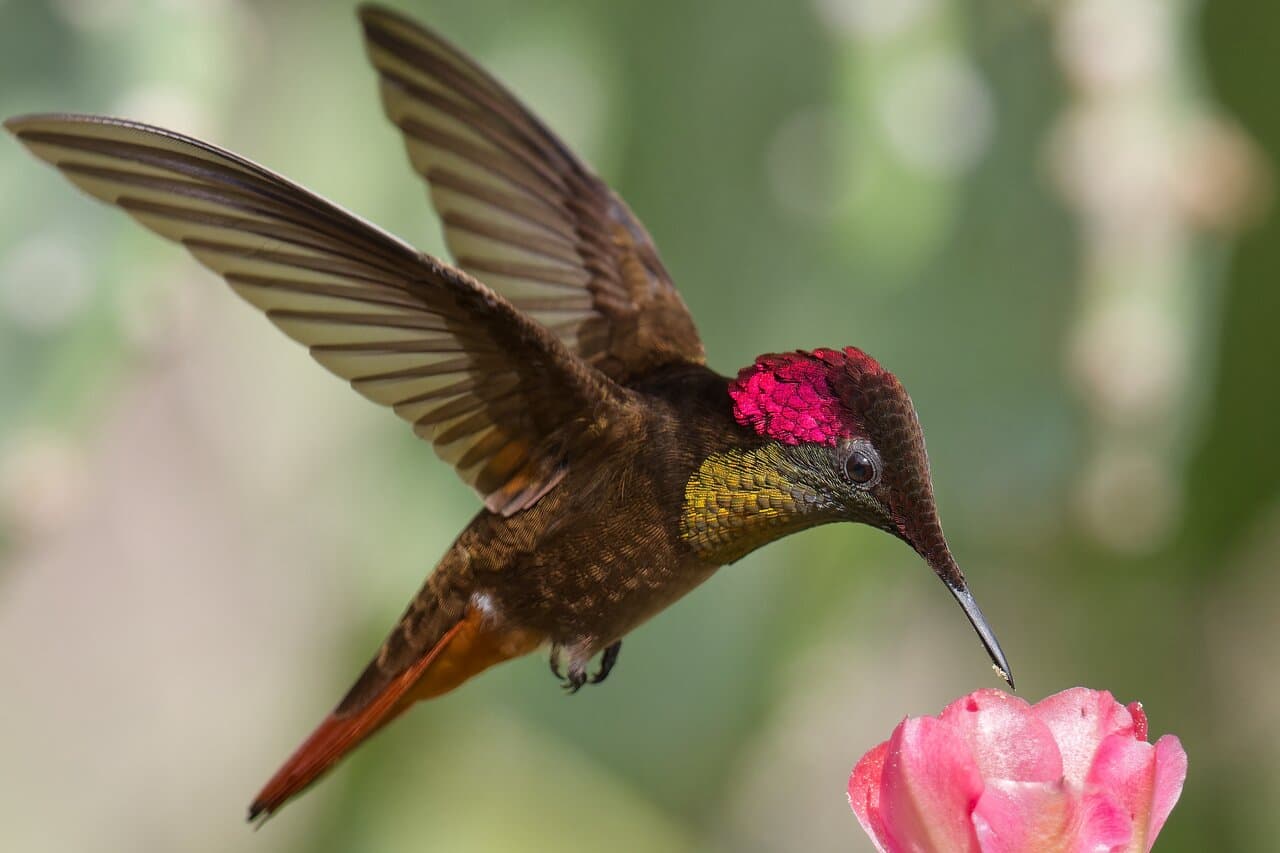
Private Birdwatching & Nature Tours Aruba runs three-hour excursions out of the Bubali wetlands near the high-rise strip, where the island's migratory and resident species congregate. The #13 ranking among Aruba outdoor activities and back-to-back Travelers Choice awards point to guides who know what they're doing — spotting herons, flamingos, and parakeets isn't luck when you've walked the same mangroves for years. The tours run at low intensity, meaning slow walks and long pauses with binoculars, not cardio. It's $75 and suitable for any age, which makes sense given the format. Early mornings are cooler and better for bird activity, though the company adapts to what's moving that day. You book directly with them, not through a larger platform, so expect direct communication and smaller groups. If you're used to generic bus-and-snorkel packages, this is the opposite — quiet, specific, and led by someone who can tell a bananaquit from a troupial at fifty yards.

cultural
3h