One Happy Aruba
Plan your perfect trip

Things to do 3 ways to do it

Kitesurfing & Windsurfing

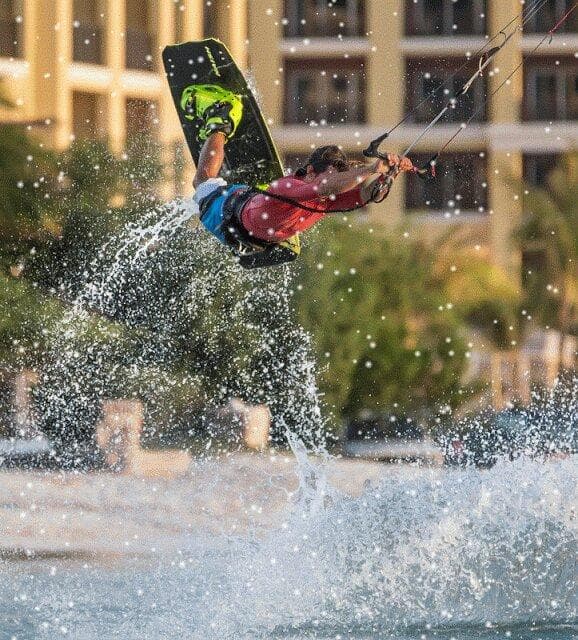
Aruba sits in the trade-wind belt year-round, which makes it one of the Caribbean's most reliable spots for kiting and windsurfing. The northern and eastern coasts catch 15–25 knot winds almost daily, the water is warm and mostly shallow, and you can learn or session without worrying about sudden dead air. If you've ever wanted to try either sport, this is where conditions forgive mistakes.

Updated June 2026

Pick your way

The ways to do it — honestly compared.

Way 1

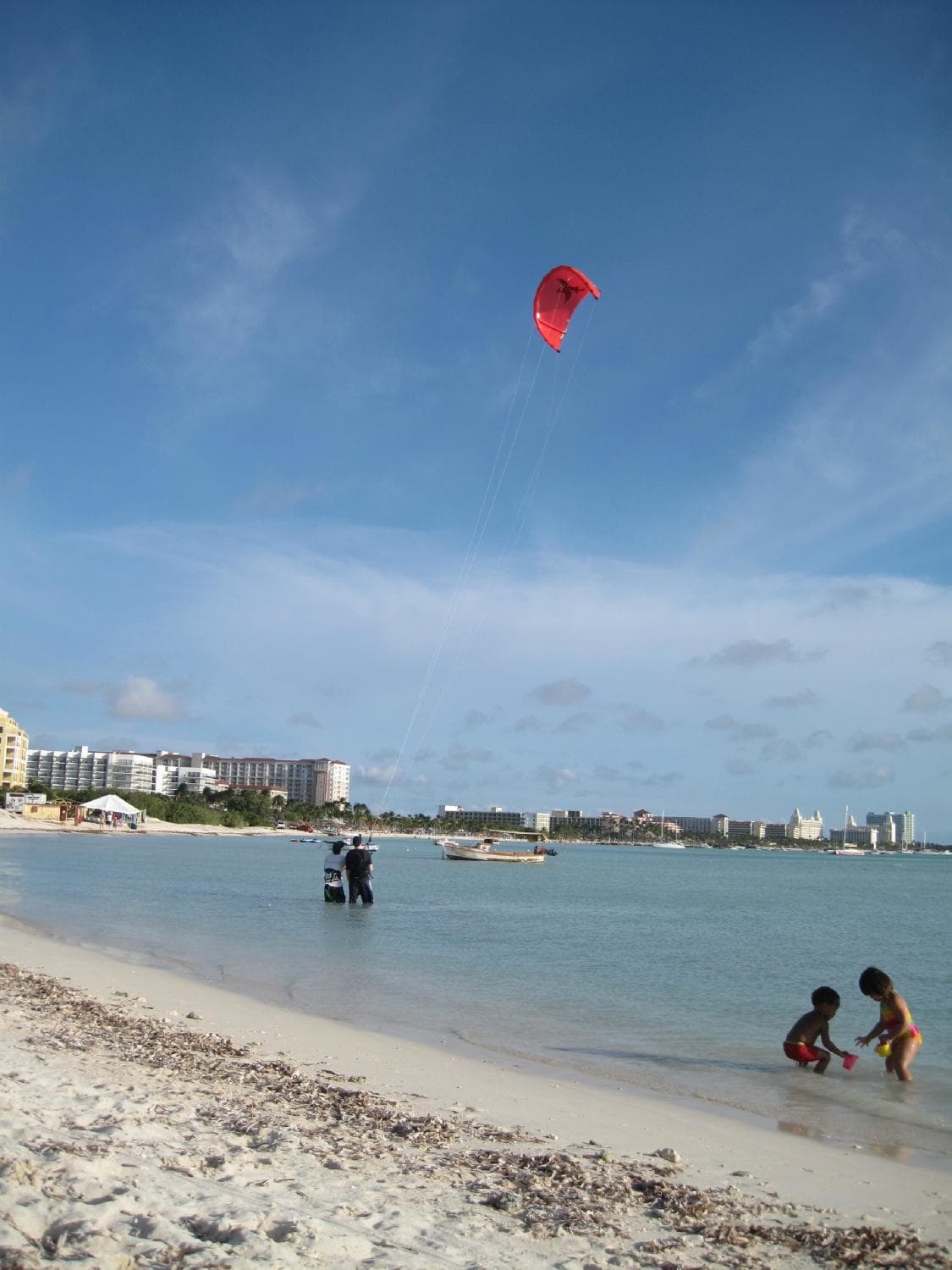
Lessons on the calm, shallow Palm Beach side

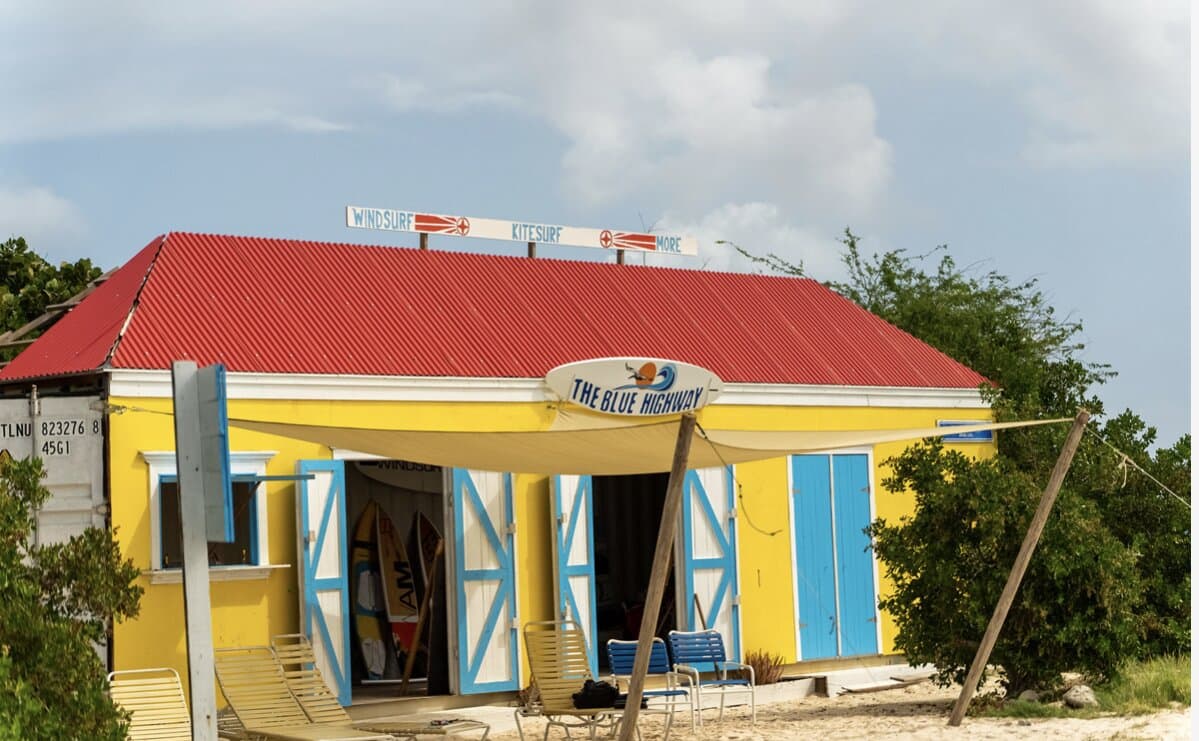
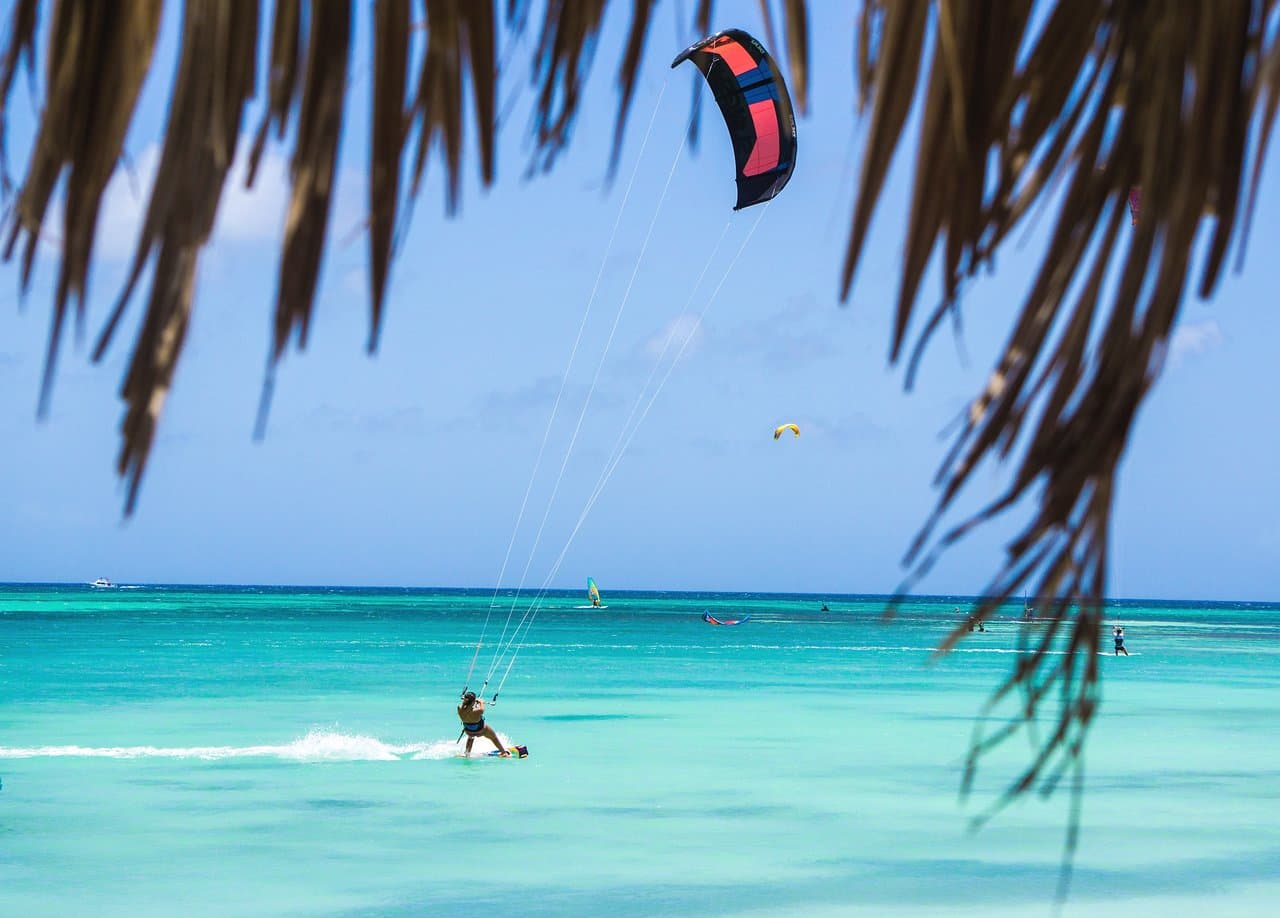
The high-rise strip and Fishermans Huts offer waist-deep water that extends far offshore, so you can practice without losing your board or your confidence. Classes run three hours, gear is included, and the wind is strong enough to learn but not punishing. This is the beginner-friendly setup.

Why you'll love it

  • Shallow standing depth means you rest between attempts without swimming
  • Close to hotels and restaurants — easy logistics
  • Instructors used to teaching first-timers
  • Gentler conditions than the windward coast

Worth knowing

  • More crowded with tourists and swimmers
  • Wind can be lighter than serious riders want
  • Beach can feel resort-zone busy

Best for: First-timers, families with teens, anyone who wants a controlled intro without getting thrashed

Typical price: $100 per three-hour session
Way 2

Sessions on the windward coast where conditions rip

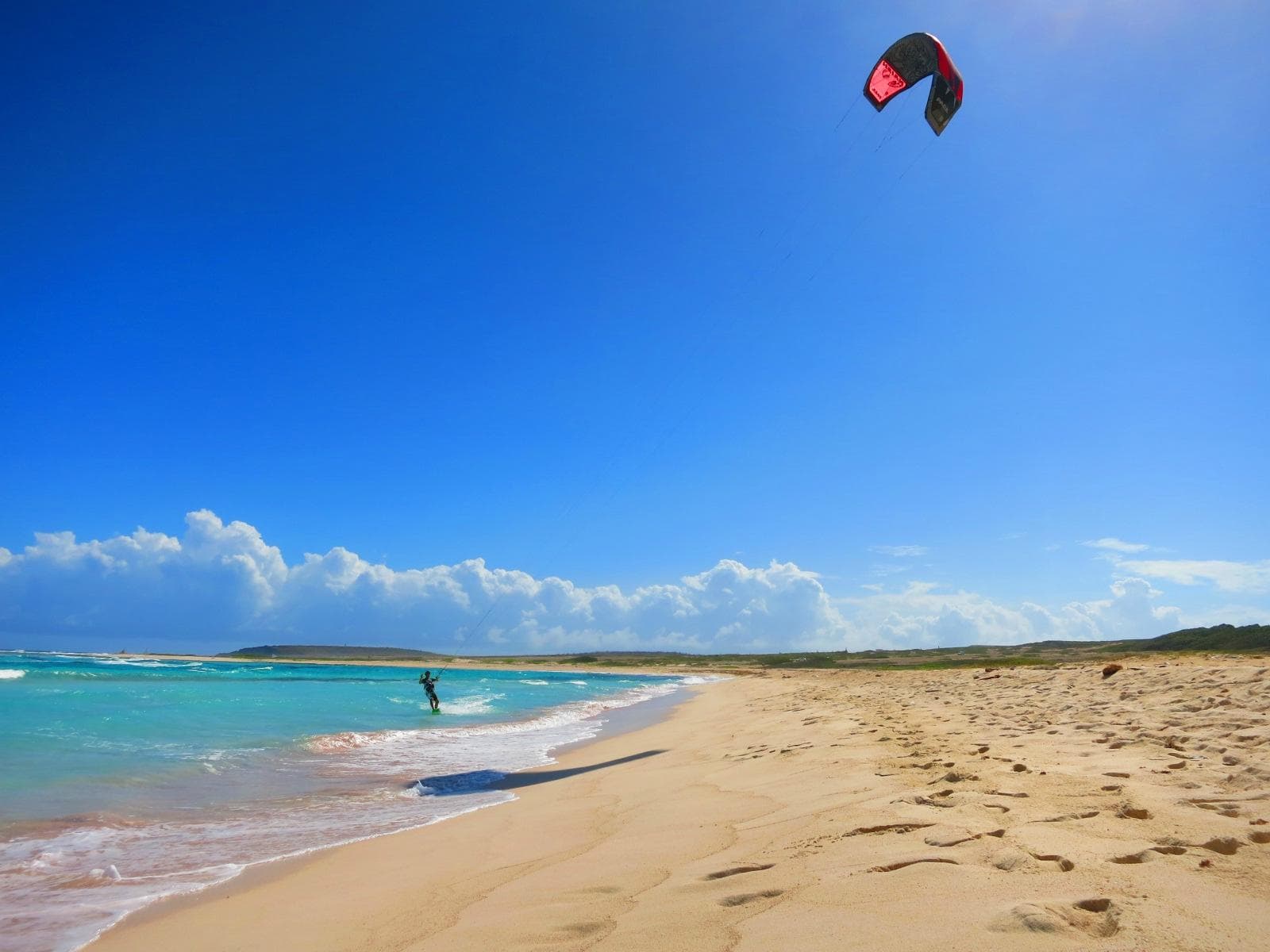
Boca Grandi on the southeast coast is where experienced kiters go when they want consistent, strong wind and open water. It's remote, less protected, and the setup is no-frills — you're here for the conditions, not the amenities. If you already know what you're doing, this is the real deal.

Why you'll love it

  • Stronger, more reliable wind than the north shore
  • Less boat traffic and tourist clutter
  • Serious kiting community and vibe
  • Instructors comfortable with intermediate and advanced riders

Worth knowing

  • Farther from hotels — you'll need a car or taxi
  • Rougher water and stronger wind, not beginner territory
  • Fewer nearby food or rest options

Best for: Intermediate-to-advanced kiters who want real wind and space, or confident learners ready for the next level

Typical price: $120 per session

Way 3

Windsurfing on the north coast at Hadicurari

Hadicurari Beach is windsurfing's home base in Aruba — steady trades, gear that works, and a 5-star reputation among the handful of operators doing this properly. It's less acrobatic than kiting, easier to pick up if you've never done board sports, and the spot has been dialed in for decades.

Why you'll love it

  • Consistently high ratings and reliable equipment
  • Easier learning curve than kitesurfing for most people
  • Less expensive per session
  • Strong local windsurfing culture and knowledge

Worth knowing

  • Gear setup can feel clunkier than kiting
  • Less fashionable than kitesurfing right now
  • Fewer operators to choose from

Best for: Anyone curious about wind sports but intimidated by kite lines, or windsurfers who know Aruba delivers

Typical price: $75 per session

Before you go

  • Wind peaks mid-morning through mid-afternoon; book sessions between 10 a.m. and 3 p.m. for the best conditions.
  • December through July is peak wind season — August and September can be lighter and less predictable.
  • Sunscreen reapplies fast in salt spray; bring reef-safe stick and a rashguard.
  • If you're a total beginner, start on the Palm Beach side — the shallow water gives you room to fail safely.
  • Most schools require advance booking, especially in high season; walk-ups are hit or miss.
  • Boca Grandi has almost no shade or facilities — pack water, snacks, and cash for any gear you didn't arrange ahead.