All-Inclusive or Not?
Aruba's restaurant scene is legitimately worth exploring—200+ spots ranging from local shacks serving fresh catch to chef-driven places you'd book ahead for in any city. But booking all-inclusive isn't a mistake here, especially if you value convenience or travel with kids. The question is whether you'll actually leave a resort that's already feeding you three meals a day, and whether the savings on food offset what you give up in flexibility.
All-inclusive
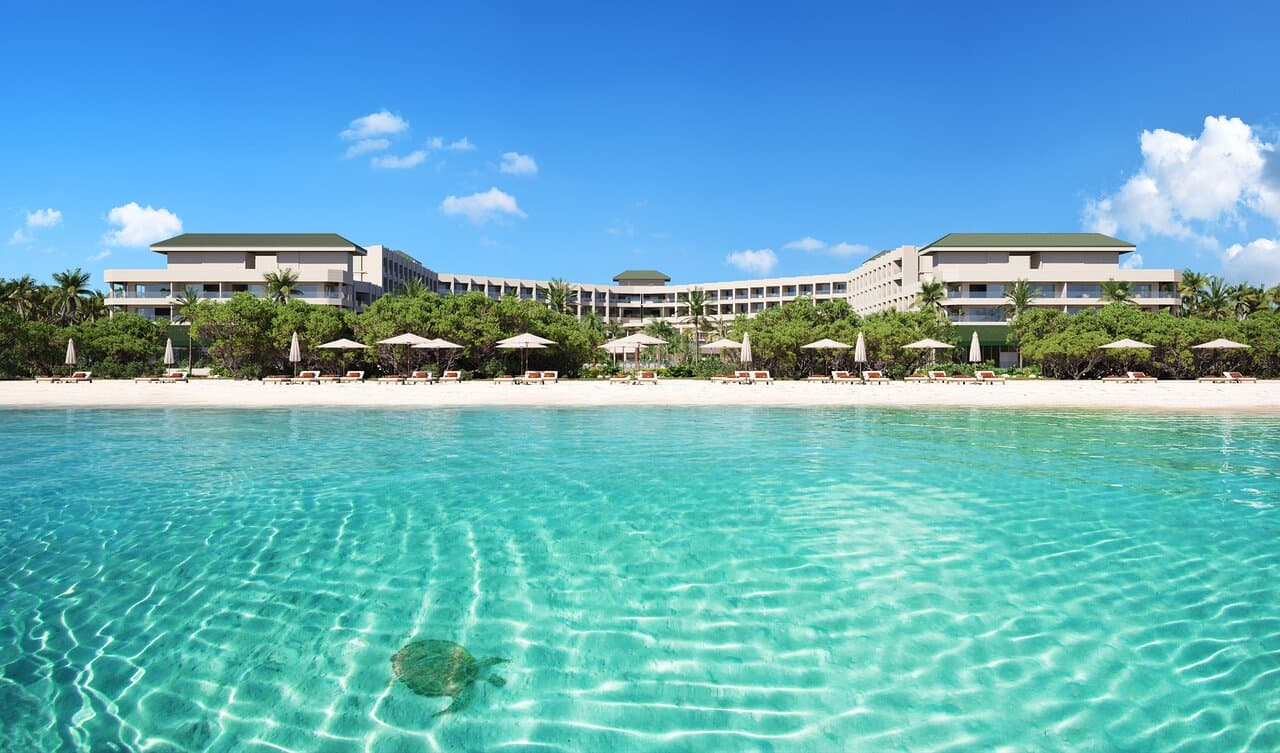
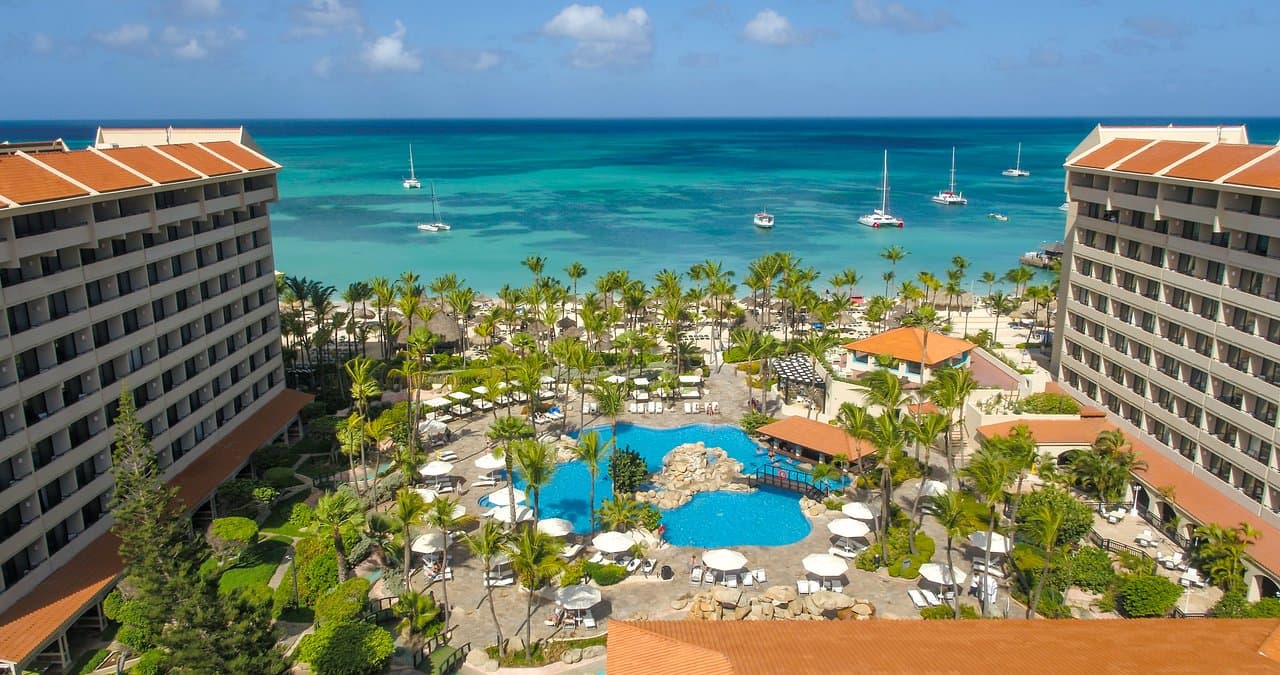
You're paying upfront to stop thinking about meal logistics. The Barceló and both Riu properties anchor Palm Beach's high-rise strip with full packages—unlimited food, drinks, and non-motorized watersports. JOIA Aruba brings higher polish (4.7 rating, 4.9 for rooms and cleanliness) if you want the same convenience with fewer compromises. Renaissance Wind Creek is the outlier—you're downtown in Oranjestad with walkable restaurants, but you still get flamingo island access and meals covered if you don't feel like wandering.
Why you'll love it
- Budget certainty—no mental math on every meal or cocktail, no surprise bills at checkout
- Convenient for families with picky eaters or anyone who doesn't want to research dinner every night
- Pool and beach bars stay open all day; you're never far from food or a drink refill
- Non-motorized watersports (kayaks, paddleboards, snorkel gear) usually included, which adds up fast elsewhere
- Renaissance Island access at Renaissance Wind Creek—private beach with flamingos, covered in your rate
Worth knowing
- You're incentivized to stay on-site even when better food is a 10-minute drive away
- Resort restaurants recycle menus; by day four you've seen the buffet lineup twice
- Alcohol quality is middling—premium liquor costs extra, house pours are forgettable
- You've already paid for meals, so leaving to eat at that beachfront grill in Savaneta feels wasteful even when it's not
- Many AI properties sit on the high-rise strip, which is the least interesting part of the island to be anchored to
Best for: Families with kids under 12, groups who want to pre-pay everything and avoid splitting checks, or anyone who values not thinking about logistics over culinary variety.
Room only + eat out
You're booking a base and building the trip around it. Bucuti & Tara on Eagle Beach (4.9 rating, adults-only) and Manchebo next door (4.7, quiet stretch of sand) give you top-tier stays without locking you into meal plans. The Marriott and Hyatt Regency on Palm Beach offer the same high-rise location as the AI resorts but let you walk to dinner instead of eating another buffet. You'll spend more on food—$25–$50 per person for a good meal, more if you're drinking—but you're free to chase down the island's best spots without the sunk-cost guilt of pre-paid dinners.
Why you'll love it
- Access to Aruba's full restaurant lineup—local joints in Savaneta, beachfront grills in Malmok, chef-driven spots in Oranjestad
- You eat what you want, when you want, instead of working around resort dining hours and reservation systems
- Room rates are often lower, and you can control food spending based on your actual appetite, not a fixed package
- Bucuti & Tara and Manchebo sit on Eagle Beach's best sand with none of the high-rise resort noise
- Freedom to skip meals without waste—grab a late breakfast, light lunch, big dinner, whatever rhythm works
Worth knowing
- Meals add up fast—budget $75–$150/day per person if you're eating out twice and drinking, more at higher-end spots
- You're planning logistics again—making reservations, figuring out transportation, dealing with restaurant hours
- No unlimited bar access; cocktails are $12–$18 each, and that's before you tip
- If you're traveling with kids, the flexibility is less valuable and the meal cost penalty is steeper
- Grocery runs help, but Aruba's supermarkets aren't cheap and you're on vacation—you probably won't cook much
Best for: Couples or adults-only groups who care about food, anyone staying longer than five days who'll get bored of resort menus, or travelers who'd rather control their budget meal-by-meal than lock it in upfront.
The verdict
If you're traveling with kids or a group that won't actually use Aruba's restaurant scene, book all-inclusive and stop second-guessing it—JOIA or Renaissance Wind Creek if you want quality, Barceló or Tamarijn if budget matters more. If you're two adults who eat adventurously and you're staying five or more nights, skip the AI and book Bucuti or Manchebo—you'll spend more on food but you'll actually remember the meals, and the math evens out if you're not drinking heavily. The middle case—couples on a short trip who want some dining freedom but don't want to plan every meal—should book a room-only spot near restaurants (Marriott or Hyatt on Palm Beach) and build in two or three resort dinners where you just don't feel like leaving.
Either way
- Rent a car either way—Aruba's best beaches (Mangel Halto, Boca Catalina) aren't on the hotel strips, and rideshares add up fast across a week
- Even if you're all-inclusive, leave the resort for lunch at least twice—Zeerovers in Savaneta and the food stands in San Nicolas are under $15/person and better than anything on a buffet
- Check if your AI resort has a dine-around program with sister properties; Renaissance, Divi, and Riu brands often let you use credits elsewhere, which breaks the monotony
- Book Bucuti or Manchebo if you're doing room-only and want Eagle Beach access—they're on the best sand and you're a 10-minute drive from Palm Beach's restaurant cluster
- If you book AI and regret it halfway through, most resorts will let you pay out-of-pocket at non-included restaurants on property—you're not truly locked in, you're just financially discouraged
The picks, up close